La Fermette is part of a broader struggle: the reclaiming of Bâtiment 7 by the Pointe-Saint-Charles community.
Rooted in its neighbourhood, La Fermette de Pointe-Saint-Charles acts as a food hub that brings people together through the strength of its social ties. Through the socio-ecological transition and participation in a local circular economy, we help build a food system that is fair, sustainable and driven by the community.
Our work focuses on Pointe-Saint-Charles — especially the Alexandra sector, in the south of the neighbourhood — and reaches out across the Sud-Ouest and Verdun.
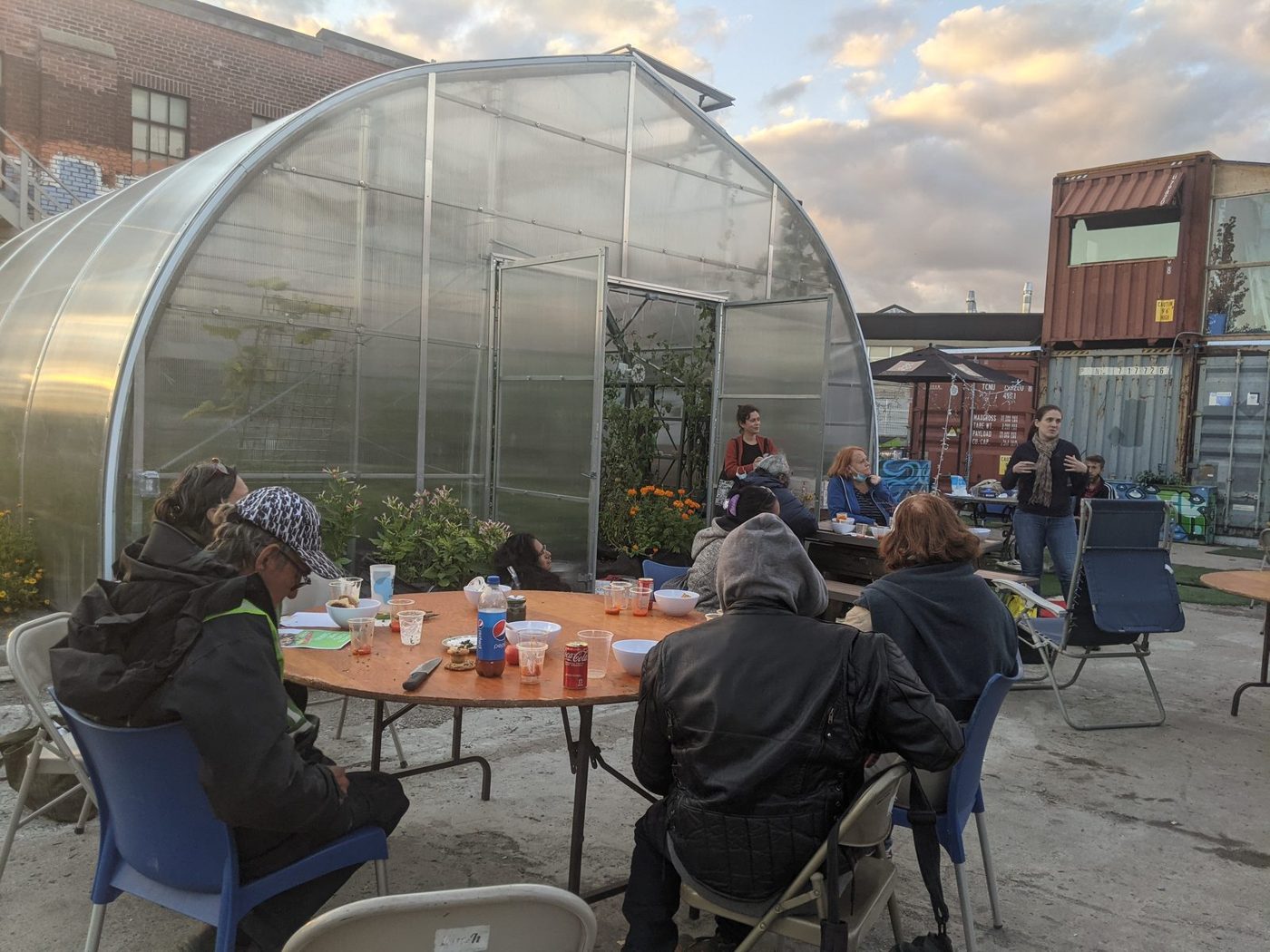
La Fermette de Pointe-Saint-Charles is a community organization working at the heart of its local food network, putting in place solidarity-based actions that contribute to reducing food insecurity and isolation in order to:
Unofficial translation — the French text is the adopted version.
Improve access to fresh, healthy food through local and sustainable market gardening, and the transformation and distribution of food, all through short supply chains.
Strengthen the autonomy and capacity to act of its members and of the neighbourhood’s population, prioritizing marginalized people, with regard to their food.
Acquire new culinary, horticultural and socio-ecological skills and knowledge, through popular education, experimentation and awareness-raising.
At La Fermette de Pointe-Saint-Charles, we believe that the right to food is universal. It must translate into concrete actions and the following values:
We work so that everyone can access healthy, local and affordable food, free of physical, economic or social barriers.
We strengthen social ties through mutual aid and respect, by creating spaces for gathering and sharing on the Bâtiment 7 site, and by supporting and strengthening initiatives that emerge from the local food community.
We value practices that promote sustainable agriculture, preserve biodiversity and reduce food waste. These practices are part of a climate-resilience perspective.
We encourage creativity in experimenting with alternative practices at different levels: democratic, horticultural, culinary, economic, feminist and anti-capitalist. We foster the acquisition and sharing of knowledge and participation in decision-making, and we support collective empowerment to radically transform the food system.
In the spring, the first phase of La Fermette takes shape behind Bâtiment 7: a three-season greenhouse, containers, growing beds, a henhouse and beehives. Residents begin experimenting on the site.
In January, La Fermette de Pointe-Saint-Charles is officially incorporated, backed by three local groups.
In the fall, a relaunch gets under way with a three-year strategic plan (2026–2028). La Fermette welcomes 40 new members.
Our MAPAQ-certified kitchen is made available to non-profits and micro-entrepreneurs, alongside our own food-transformation activities.
The market garden and a new collective-garden site open, and we launch a line of prepared meals.
Without the collective gardens, there probably wouldn’t be a Fermette. They’re part of our story and played a crucial role in the very work of Bâtiment 7.
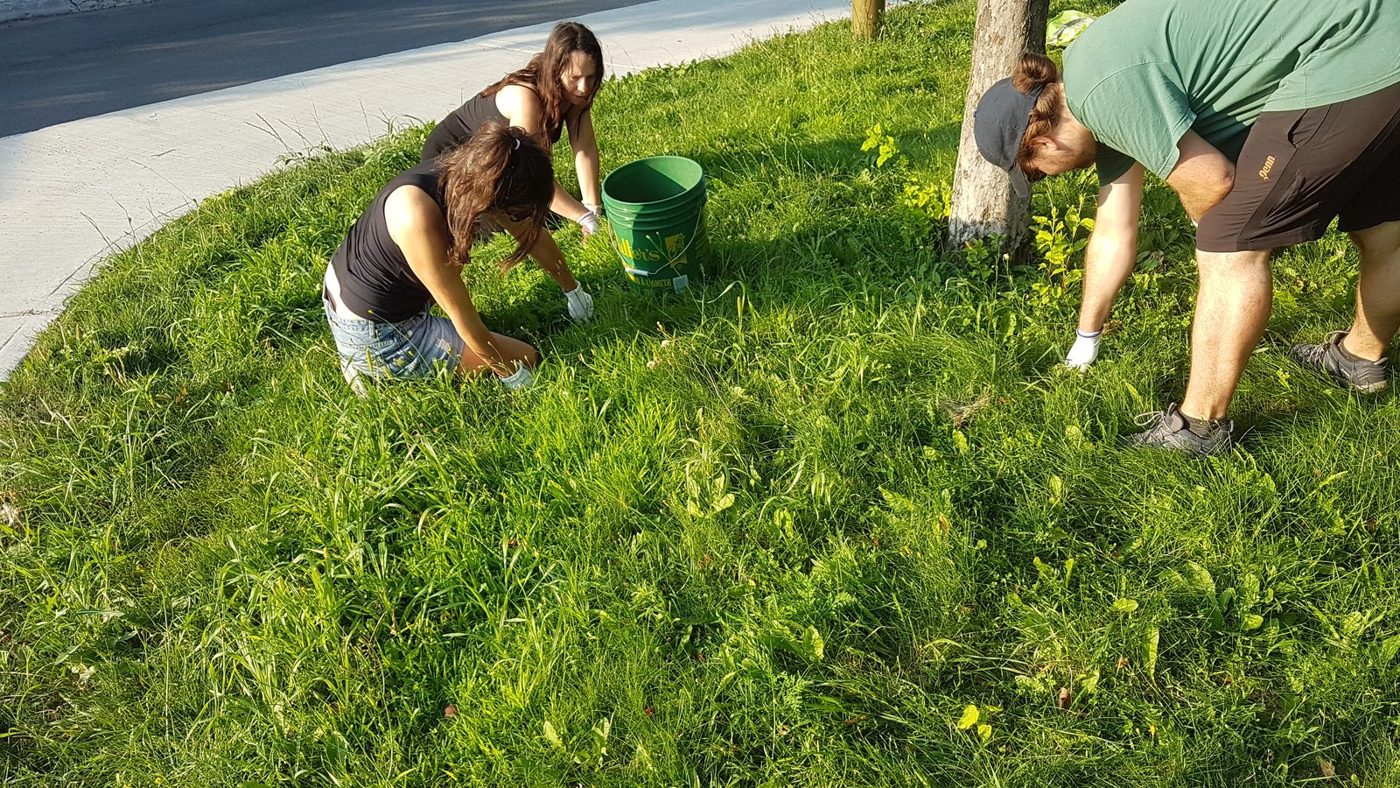
People often ask us, “How do you assign the plots?” The answer: there aren’t any. In a community garden (allotment plots), each person grows their own plot — and waiting lists can reach eight to ten years. In a collective garden, everyone works together in one shared space, and the harvest is shared.
La Fermette is backed by three local groups and supported by a network of partners.
Two paid staff, an eight-member board of directors, and lots of volunteers.
Co-coordinator, horticulture — outdoor spaces, collective gardens, henhouse, beehives and blue-green alley.
Co-coordinator, kitchen — solidarity and collective kitchen, rentals and food transformation.